

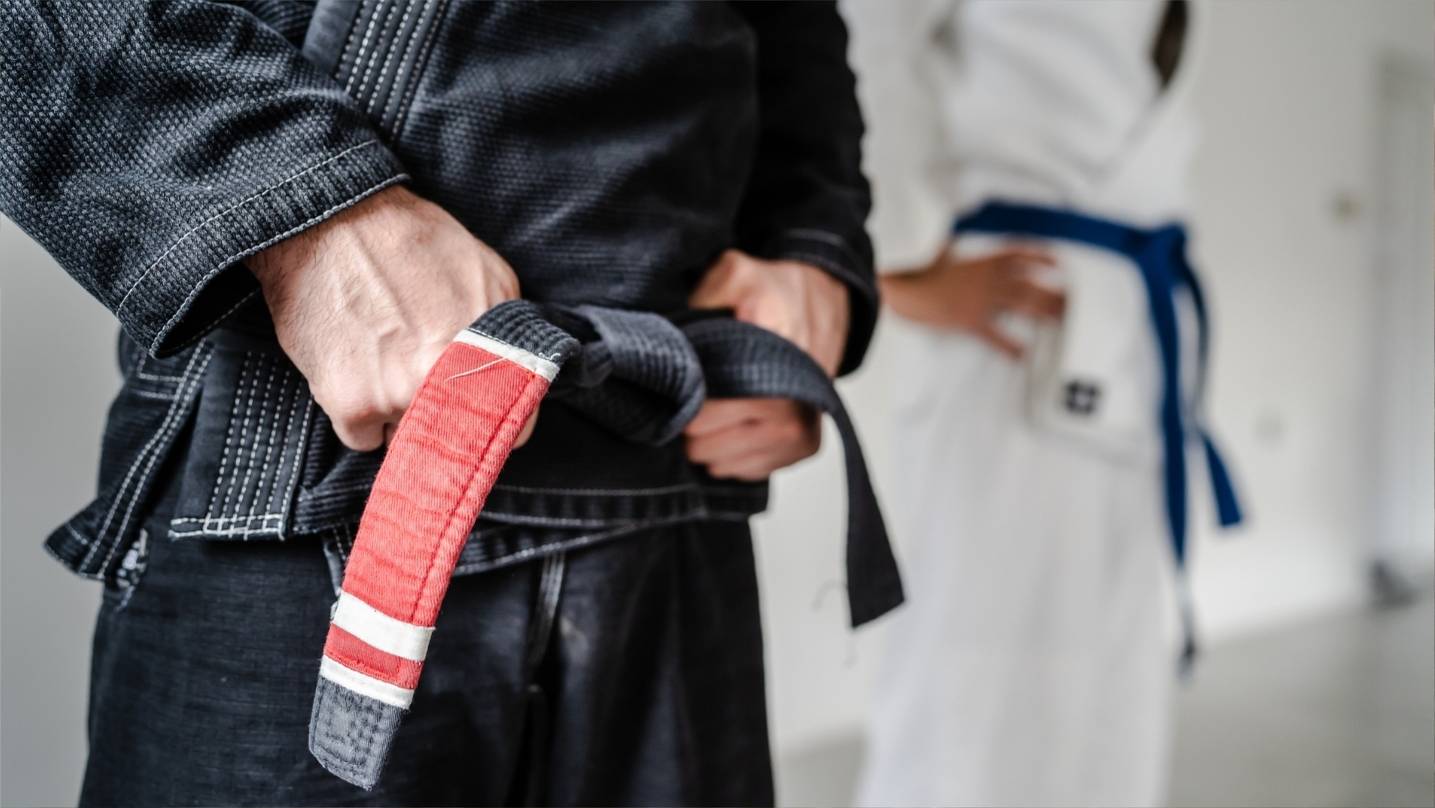
More than simply a uniform, the Gi is a vital tool that can affect everything in Brazilian Jiu Jitsu from practice, to discipline and the respect of martial art tradition…
A Uniform Steeped in Tradition
Let’s discuss first things first, shall we? The Gi in Brazilian Jiu Jitsu is the traditional uniform typically worn by its practitioners during training and competition including a jacket, pants and a belt indicating the rank. Its origins can be traced back to ancient martial arts. From there it has been modified over the years by the Gracie family to more specifically suit the demands of Brazilian Jiu Jitsu – providing its wearer with a safer, more effective training and competitive advantage.
Elements of the Gi
The Brazilian Jiu Jitsu Gi consists of a jacket called a Uwagi, pants called Zubon and a belt referred to as the Obi. The jacket is typically crafted from thick cotton with reinforced stitching for durability, while the pants are lighter weight to promote the unencumbered movement needed to expertly execute moves. Pants include reinforced knees for durability and the colors of the belt will change to indicate progress and growth as the Brazilian Jiu Jitsu practitioner advances through the ranks.
Material and varying durability of that material should be considered when selecting the best Gi for your particular needs. A Gi is usually cotton, but each weave can offer its own particular advantage for Brazilian Jiu Jitsu training. For example, single weave is lighter weight, providing more ease of movement. As so, this particular weave may be more suitable for a beginner. Whereas a double weave Gi is thicker, usually designed with more intense training in mind and also more suitable for competition. Gold weave, combining the best of all worlds, provides a balance of the two aforementioned weaves.
The fit and comfort of your Gi are also crucial and each brand offers its own quality and style. To give you a few examples, Tatini is known for its quality construction; Venum for its excellent, durable fit; and Hayabusa mostly for its cutting-edge, innovative designs.
Gi Colors and What They Represent
Although the Gi pants and jacket color have no official meaning, they typically reflect the wearer’s personal journey and should also adhere to that wearer’s gym’s guidelines. Worn by beginners, a white Gi symbolizes humility, discipline and a fresh start. Whereas a blue Gi would be more typically worn by a mid-level Brazilian Jiu Jitsu practitioner, signaling that the wearer has progressed past beginner and representing that wearer’s progress and dedication. A black Gi is reserved for very advanced Brazilian Jiu Jitsu competitors and instructors. Other colors such as grey, green and purple are similar to black in meaning. Whereas brighter colors such as reds, oranges and yellows are typically worn to draw attention. White, blue and black are the only colors recognized in official competition. Mixing colors (i.e. a blue jacket with black pants) is also not accepted practice for official competition.
Gi Belts and Their Meaning
The colors of the belts that are presented by the instructor when they feel that the Brazilian Jiu Jitsu practitioner has earned them. Their meaning can be subjective, but here is a loose interpretation of belt color ranking in Brazilian Jiu Jitsu: White = Beginning; Blue = Good; Purple = Fierce Competitor; Brown = A Fierce Competitor with Wide Ranging Technique; Black = Very High Win Percentage. Additionally, stripes on a belt indicate progress within that belt. It will usually take about six months to earn one stripe and there are a maximum of four stripes that can be earned for each belt.
How a Gi Facilitates Training
The Gi is specially designed with the durability to withstand the force of pulling and gripping which can occur during Brazilian Jiu Jitsu training. The sturdy craftsmanship of the Gi better enables Brazilian Jiu Jitsu practitioners to perfect techniques such as the grips and control necessary for perfecting chokeholds and joint locks. In fact, one of the most effective ways to use a Gi against an opponent is for a choke. A Gi can also be used for takedowns, sweeps and passes with various Gi grips.
So, whether a novice or an advanced Brazilian Jiu Jitsu practitioner or competitor, a solid understanding of the Gi is essential. The use of the Gi in training helps refine the Brazilian Jiu Jitsu practitioner’s understanding through leverage and control. Gi fabric can be gripped for collar chokes and sleeve controls to manipulate an opponent’s balance and power, as well as promote a more methodical, slower pace where precision is prioritized over speed.
In contrast, no Gi emphasizes speed and agility over slower, methodical precision – relying more on over hooks, under hooks and body positioning to gain control over opponents. The faster pace of no Gi requires quicker reflexes and transitions and is sometimes seen as a more adaptable Brazilian Jiu Jitsu approach, as a real life situation would not necessarily provide clothing offering gripping opportunities.
In summary, the Gi in Brazilian Jiu Jitsu not only promotes the respect of martial arts discipline and tradition, it can play a crucial role in training and ranking.